Rethinking English Learner Reclassification in California


California educates more multilingual learners than any other state—yet many multilingual learners remain classified as English Learners (EL) even after demonstrating English proficiency. California relies on its own reclassification system to determine when students have met the requirements to exit EL status and transition out of language support services. In California, reclassification involves multiple criteria and substantial local discretion, which can limit access to broader academic opportunities for students who are already English-proficient.
In this PACE webinar, panelists shared findings from three forthcoming research publications that explore how California’s EL reclassification policies are designed and implemented statewide, how districts interpret and apply them in practice, and what these choices mean for students’ academic trajectories. The panelists also discussed what state and local leaders can do to reduce inequities and improve outcomes for students.
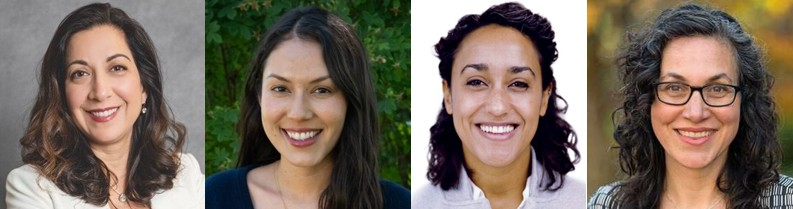
PRESENTERS
Lupita Cortez Alcalá | Moderator | Executive Director, PACE, Stanford University
Diana Mercado-Garcia | Associate Director, Research Practice Partnerships, California Education Partners—author of “Creating Coherence: Lessons on English Learner Reclassification” (PACE), with coauthors Laurel Sipes, Senior Research Associate, The John W. Gardner Center for Youth and Their Communities, Stanford University, and Guillermo Solano-Flores, Professor of Education, Stanford Graduate School of Education
Molly Faulkner-Bond | Research Director, English Learner and Migrant Education Services, WestEd—author of “Finding the Sweet Spot for English Learner Reclassification: A Study of California’s Criteria” (WestEd)
Ilana Umansky | Associate Professor, Education Policy and Leadership, Quantitative Research Methods in Education, University of Oregon College of Education—author of “Academic Gatekeeping of English Learner-Classified Students: The Case of California” (Getting Down to Facts 3)